
The Housing Feel
Orlando's in-town housing stock ranges from early-1900s bungalows in Lake Eola Heights and College Park to downtown high-rise condos overlooking Lake Eola, plus a growing number of townhome infill projects near the city core. That variety means price points span a wide range within the same zip codes, so lot size, home age, and proximity to Lake Eola or the Central Business District all matter more here than in a typical suburban neighborhood.
Growth & Development
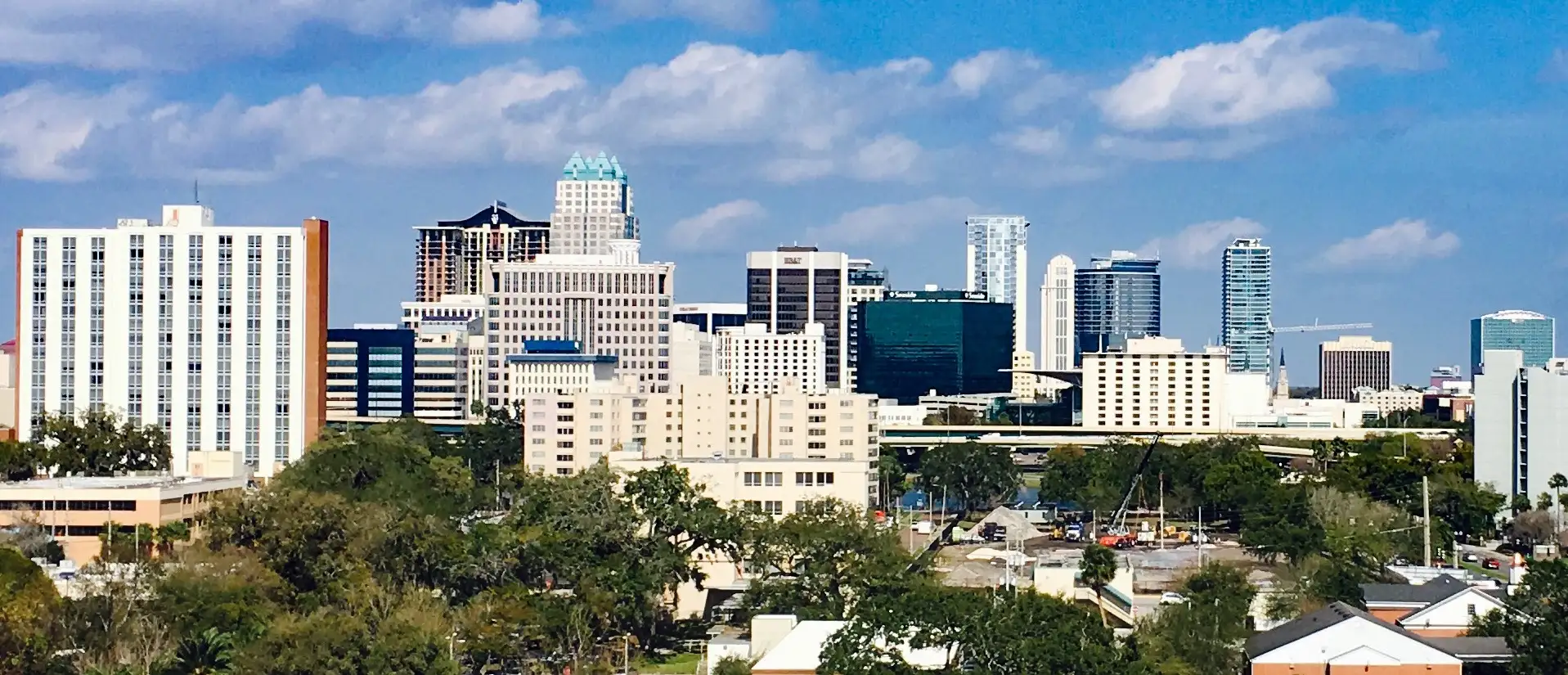
Downtown Orlando has added office towers, apartments, and mixed-use development steadily in recent years, along with entertainment draws like the Dr. Phillips Center for the Performing Arts and the Kia Center. That growth has pushed up demand, and prices, in the walkable neighborhoods closest to downtown, while areas a bit further out still offer more traditional value.
Commute & Convenience
Living in Orlando proper means I-4 access in multiple directions, plus SunRail commuter service through several stations, and a genuinely short drive to Orlando International Airport. It's also the hub everything else in Central Florida radiates out from, so wherever you end up working across the metro, an in-town Orlando address tends to keep the commute reasonable.